UEFA Countries Boycotting the World Cup 2030: What's Happening
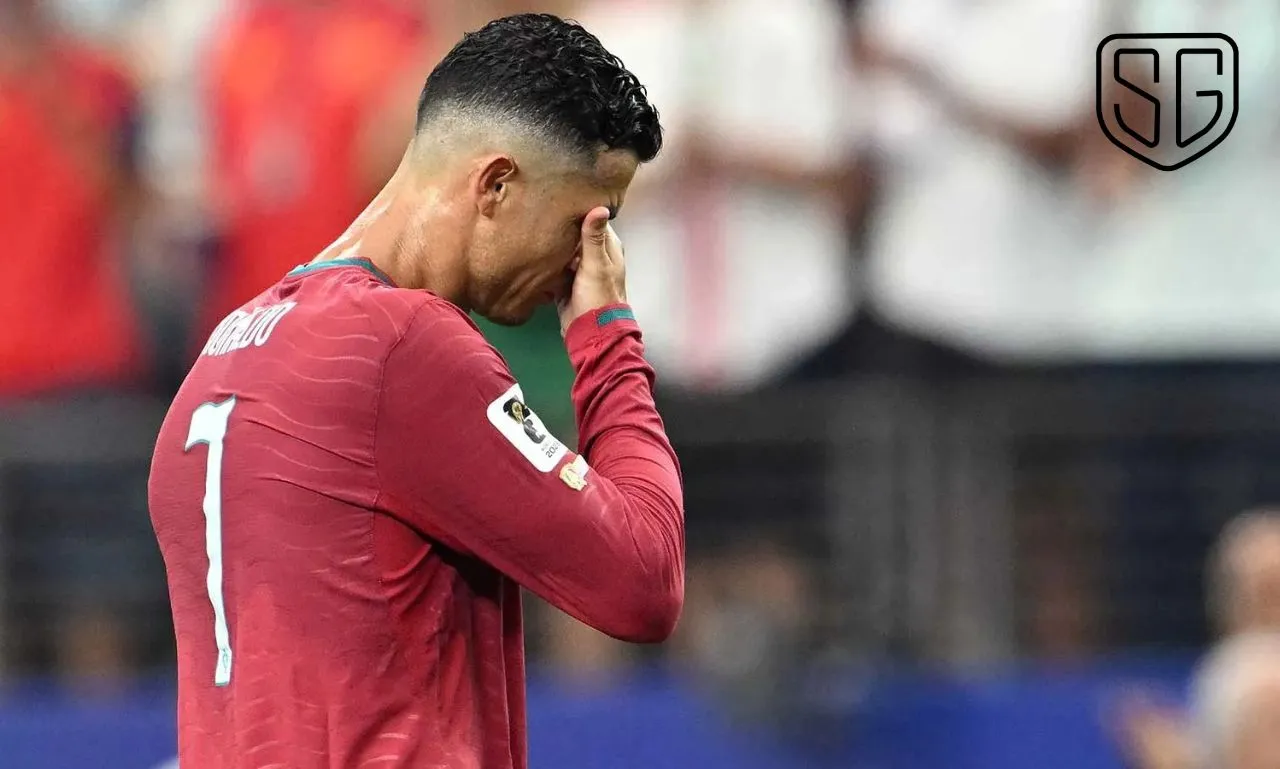
In the space of just a few days, talk of UEFA countries boycotting the 2030 World Cup has turned into reality. All 55 UEFA member nations, including reigning champions Spain, semifinalists France and England, and co-host nation Portugal, have voted unanimously to sit out the 2030 World Cup and every other FIFA competition unless president Gianni Infantino abandons a controversial plan to sell private stakes in the tournament. It's an unprecedented stand-off, the first time any confederation has ever threatened a blanket boycott of FIFA's flagship event, and one that's only escalated since UEFA's emergency meeting this week.
What Sparked the Boycott Threat
The controversy revolves around FIFA Forward Enterprise, a new business entity reportedly worth about $20 billion that would open the door for external investors to purchase a 20% share of FIFA's competitions, including the World Cup. One of the names floated as a potential buyer is Thrive Eternal, a firm led by Joshua Kushner, brother of Donald Trump's son-in-law Jared Kushner, a detail that's added extra political charge to an already contentious proposal. Reports suggest FIFA has been quietly developing this structure for some time, with Infantino reportedly seeing it as a way to secure his own future involvement in the sport's finances beyond 2031, when his current FIFA presidency term limit is set to expire. To help sell the plan to FIFA's 211 member associations, Infantino reportedly offered an immediate $20 million cash payment to each federation, along with increased funding through 2030, ahead of a formal vote scheduled for September.
UEFA's Response
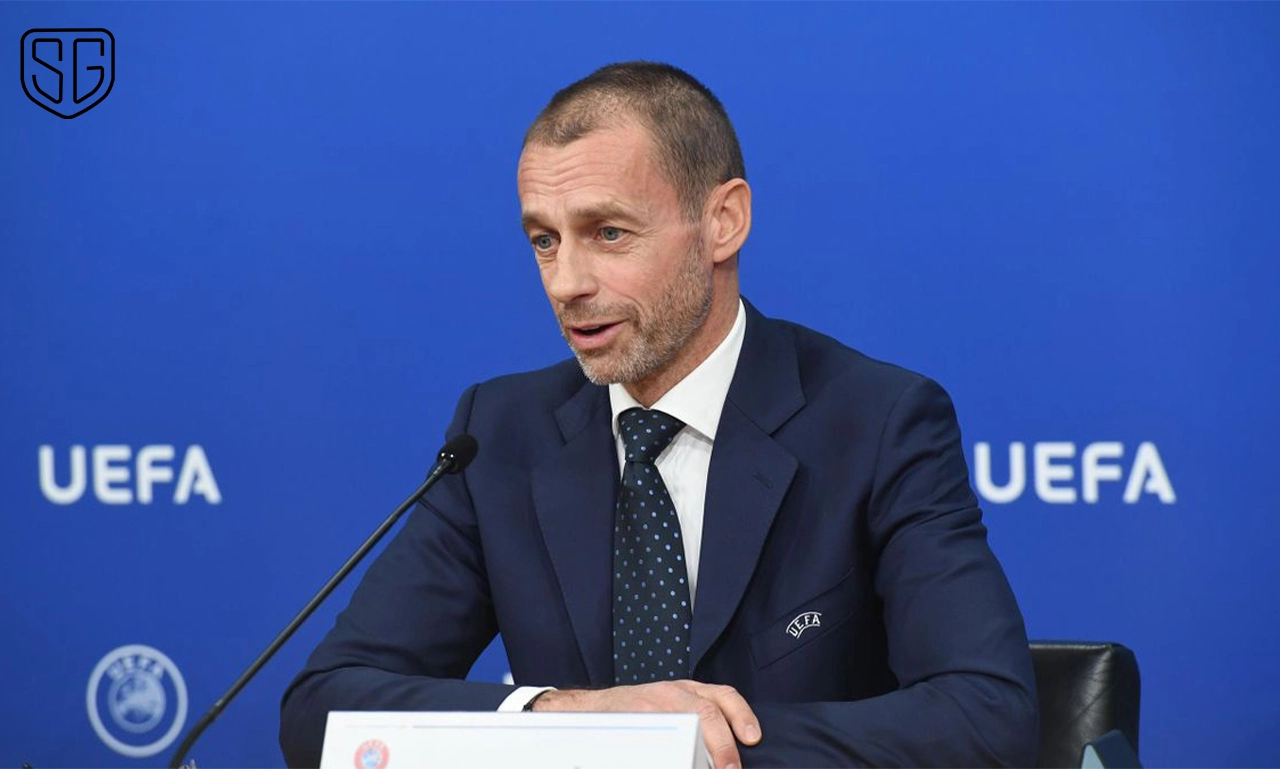
UEFA didn't hold back. In a statement issued this week, the confederation said outside investment would fundamentally corrupt the ownership of the sport, declaring: "None of us are the owners of football." Days later, following an emergency virtual meeting of all 55 member federations, UEFA confirmed it was escalating from objection to outright boycott, stating its national teams would not participate in any FIFA competition "for so long as these proposals remain alive." According to UEFA president Aleksander Ceferin, the debate is about protecting football's core values, saying there are elements of the game that should remain beyond commercial ownership. UEFA later added that once private investors acquire stakes in FIFA tournaments, the sport's traditional structure cannot be restored.
Who's Affected
The scale of the threatened boycott is what makes this genuinely unprecedented. All 55 UEFA nations are on board, meaning World Cup regulars like Germany, France, England, Portugal, and reigning champions Spain would all be absent from the 2030 tournament if FIFA presses ahead. That creates an especially awkward situation given Spain and Portugal are two of the three co-hosts of the 2030 World Cup itself, alongside Morocco, meaning two of the tournament's own hosts could end up boycotting the event they're staging. Beyond Europe, CONCACAF, representing 41 nations across North and Central America and the Caribbean, has already publicly backed UEFA's position, and the Asian Football Confederation has voiced its own rejection of the plan, bringing the total number of federations opposing FIFA's proposal into the hundreds. The issue isn't exclusive to the men's World Cup. UEFA's statement encompasses FIFA's entire tournament portfolio, potentially affecting the Women's World Cup in Brazil next summer unless the proposal is withdrawn.
What Happens Next?
Nothing is finalized yet. Infantino's plan still needs to be formally voted on by FIFA's full membership, with that vote reportedly expected around September. The $20 million upfront payment on the table gives individual federations a real financial incentive to back the plan despite UEFA's stance, and it remains to be seen whether that offer is enough to split the opposition, particularly among smaller federations outside Europe and the Americas who might benefit disproportionately from the cash injection. It's also worth noting this isn't Infantino's first attempt at a deal like this; a similar $25 billion proposal with Japan's SoftBank back in 2018 collapsed after fierce resistance, also led by UEFA, suggesting European football's governing body has both the appetite and the track record to make a stand of this kind stick.
The Bottom Line
Whether this boycott threat actually holds until 2030 is impossible to say this early, and plenty can change between now and any formal vote in September. But the scale of the pushback, every UEFA nation, two of the tournament's own co-hosts, and now CONCACAF and the AFC as well, signals this is more than posturing. Should FIFA continue with its plans and UEFA countries follow through on a boycott, the 2030 World Cup could become the most radically altered tournament in history, with several of football's traditional powerhouses missing from the field. For now, all eyes turn to FIFA's response and whether Infantino chooses confrontation or compromise in the weeks ahead of that September vote.